Skip to content

Selected engineering work

Materials, experiments
& simulation.

I’m Shufan, a materials engineer combining hands-on experiments, materials characterization and simulation.

Let’s talk

00 / Laboratory & materials characterization

Hands-on work, reliable measurements.

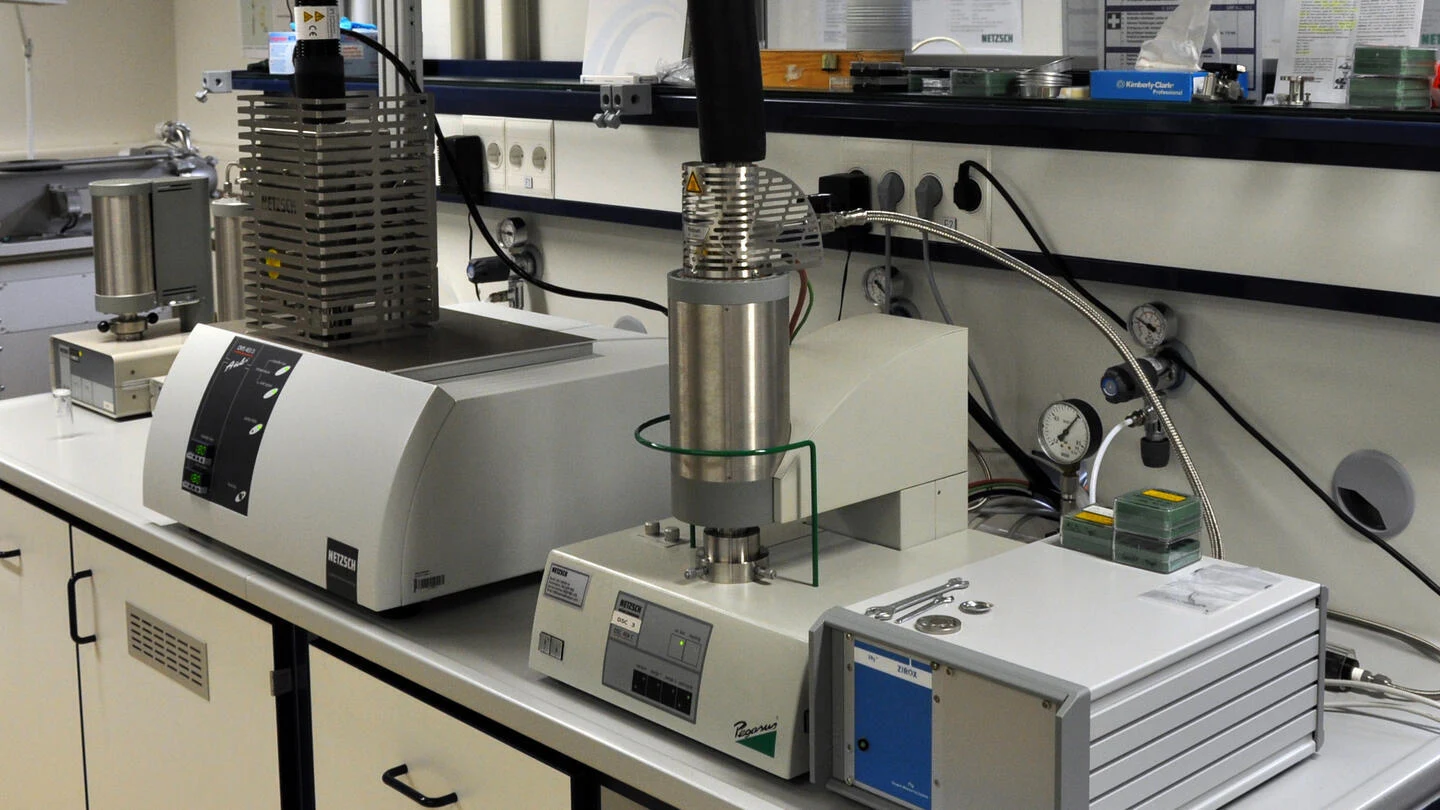
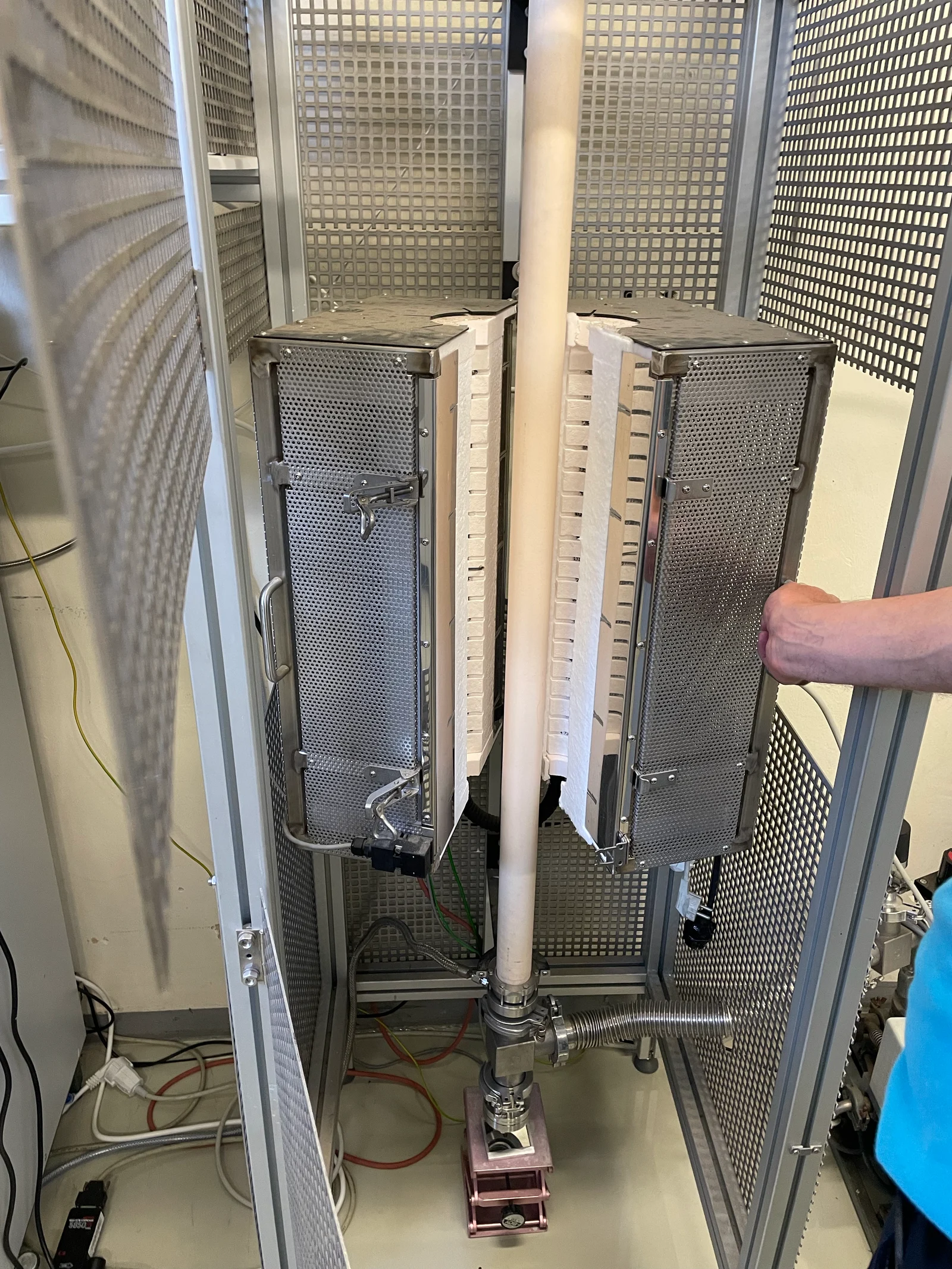
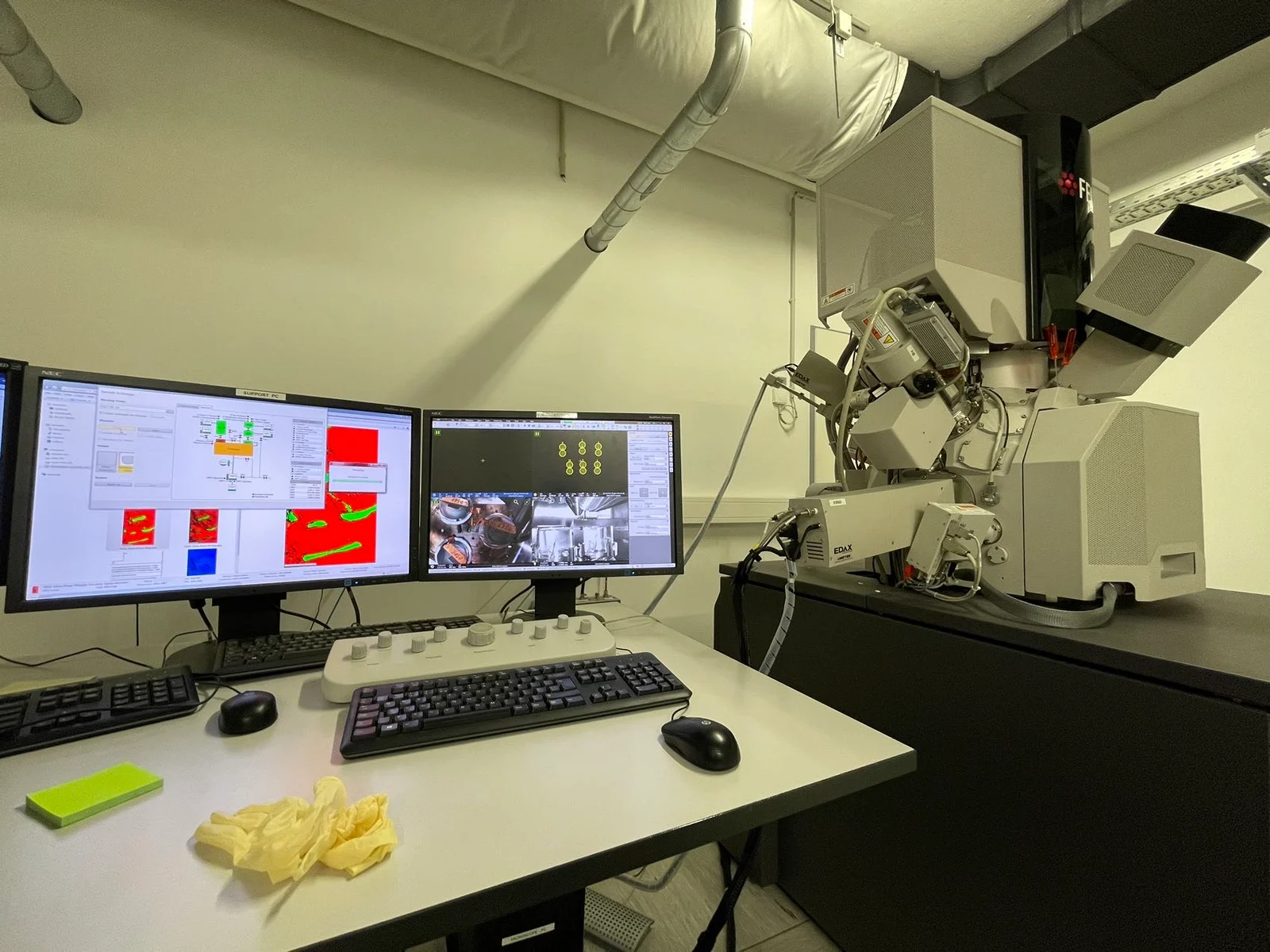
I managed five high-vacuum instruments at RWTH Aachen University, including calibration, maintenance, troubleshooting and user training.

Microstructure

Scanning electron microscopy (SEM) · Energy-dispersive X-ray spectroscopy (EDS) · X-ray diffraction (XRD)

Thermophysical properties

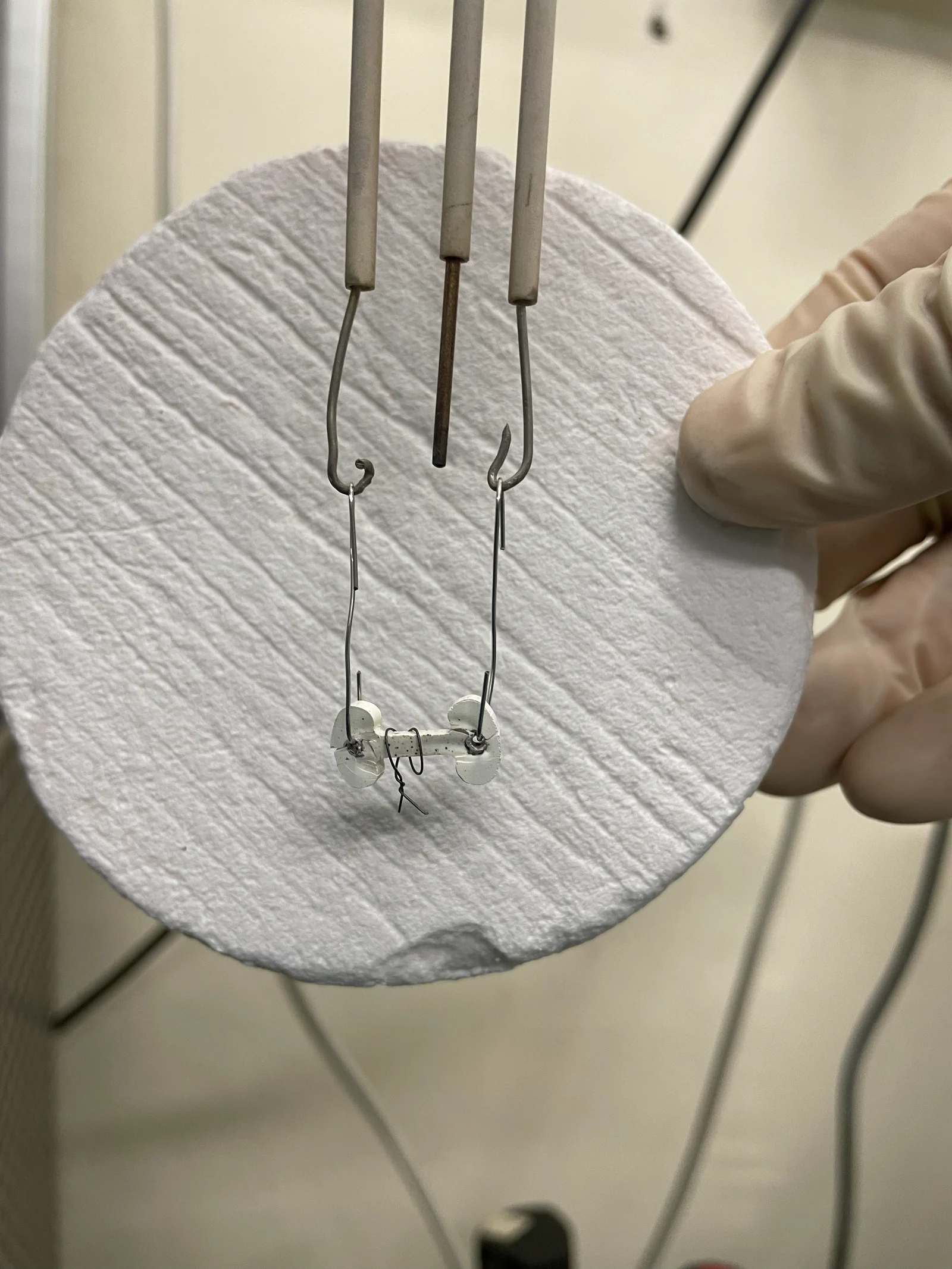
Differential scanning calorimetry (DSC) · Laser flash analysis (LFA) · Dilatometry (DIL)

Laboratory operations

Vacuum systems · calibration · training

Sintering experiments

Electric current-assisted sintering (ECAS) uses electrically generated heat to densify ceramic powders rapidly. Flash sintering heats 8 mol% yttria-stabilized zirconia (8YSZ) directly by current through the specimen, while ultrafast high-temperature sintering (UHS) heats it indirectly with electrically heated graphite felt.

Selected projects

Four studies, from apparatus to models

01 / Process development

Scaling up FAST/SPS

Field-assisted sintering technology / spark plasma sintering (FAST/SPS)

RWTH Aachen University · Jülich Research Center

Self-passivating ‘smart’ tungsten alloys for fusion reactors

My roleResearch project & thesis supervision

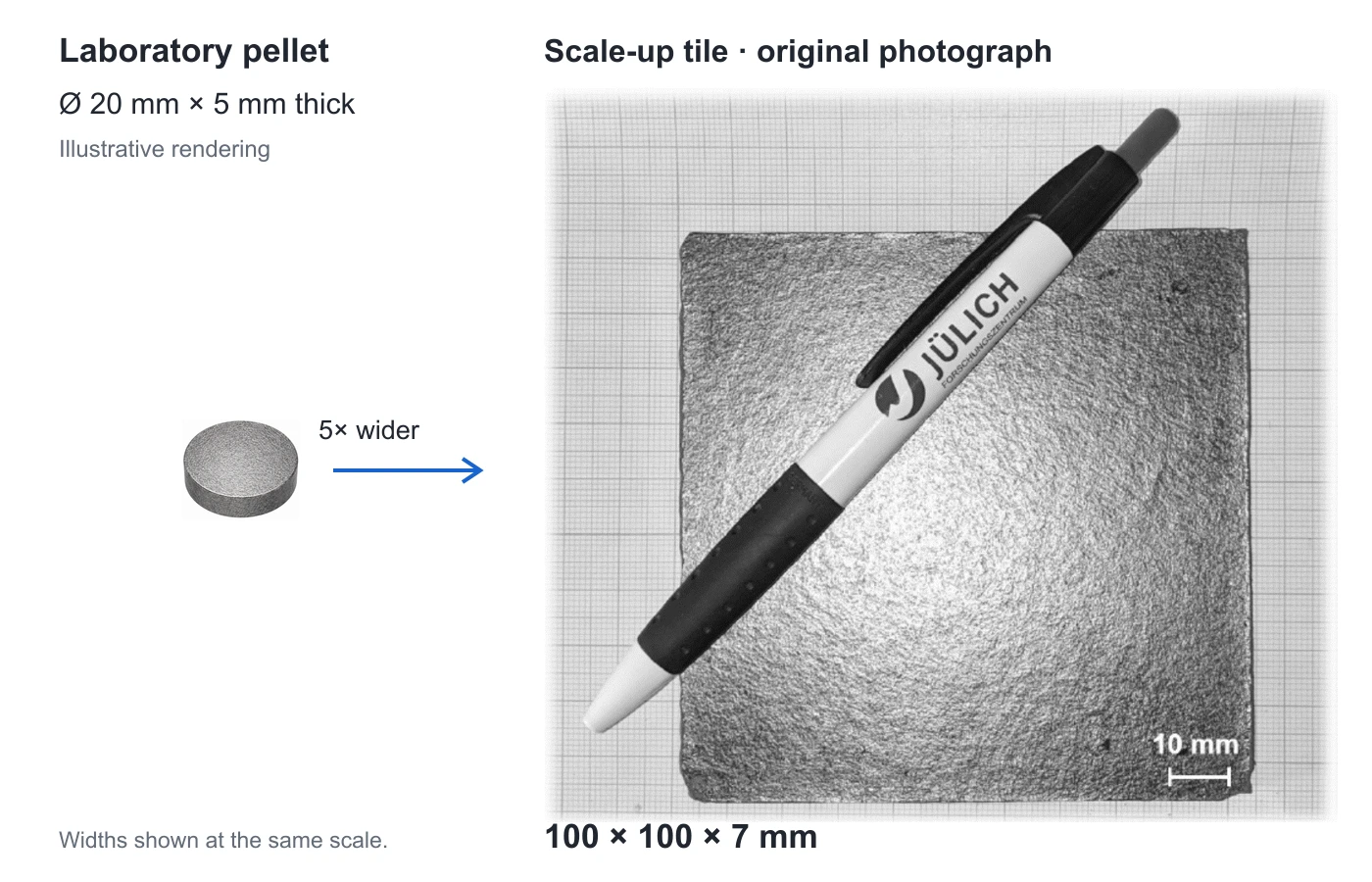
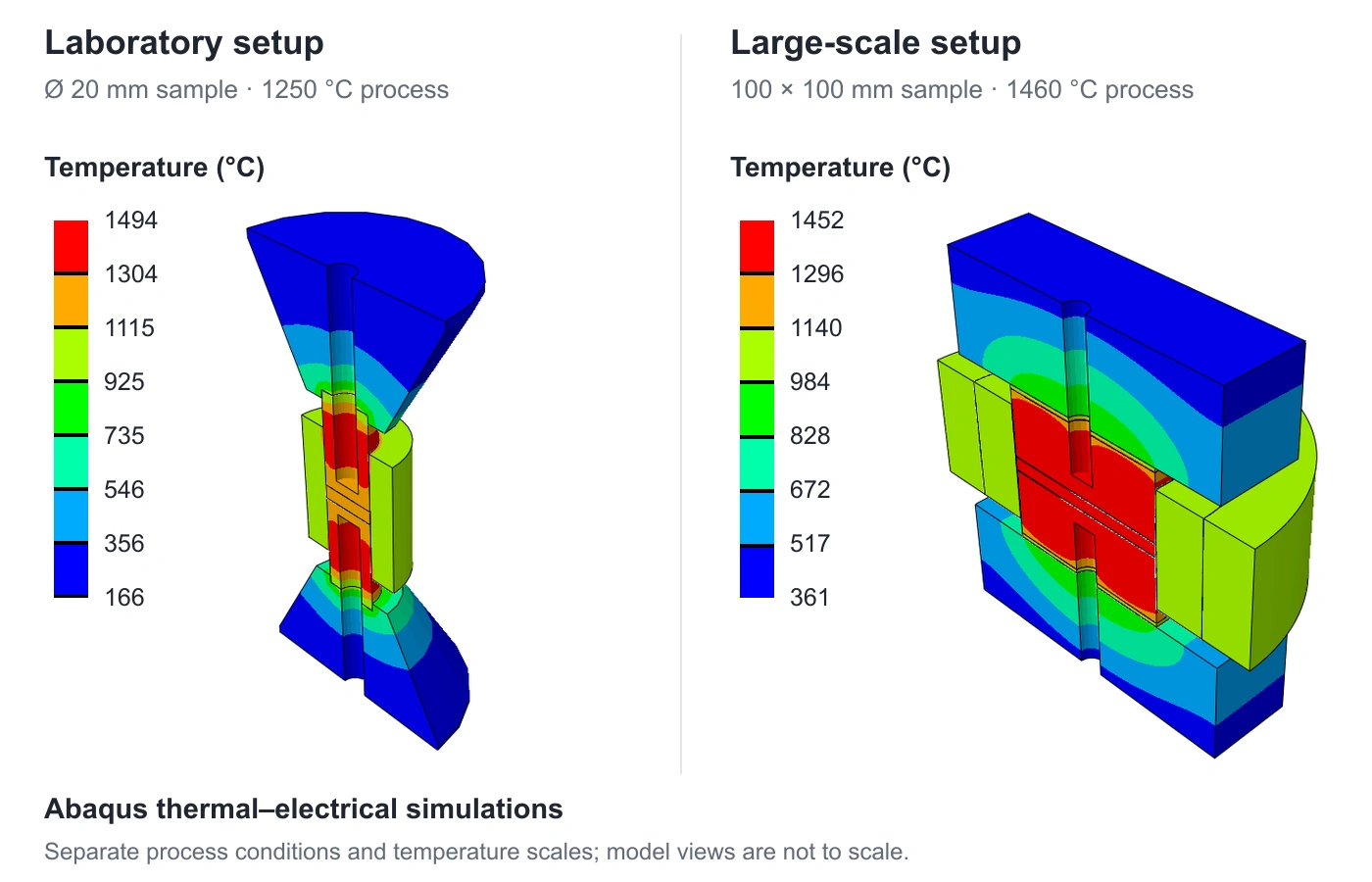
Scaling tungsten-alloy samples from Ø 20 mm pellets to 100 × 100 mm tiles. I supervised the experimental and Abaqus modelling study, connecting material measurements with process design.

ResultIdentified ways to reduce temperature gradients through tooling, insulation and holding time.

  • FAST/SPS
  • Abaqus
  • Thermal management
  • Research supervision
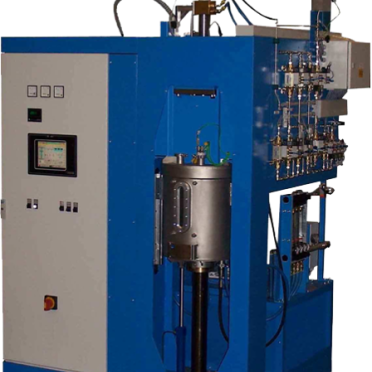
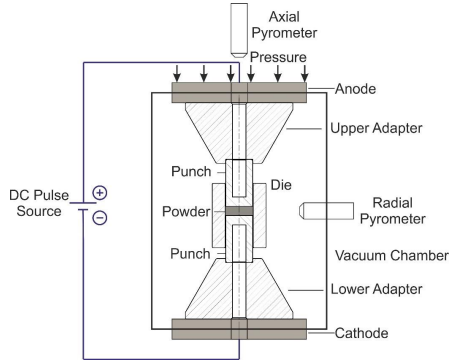
FAST/SPS sintering equipment
Machine and schematic: die, upper and lower punches, and electrodes connected to a pulsed direct-current (DC) supply.
Sample scale-up · pellet to tile
Ø 20 × 5 mm pellet → 100 × 100 × 7 mm tile. Pellet: illustrative rendering. Tile photo: Bram et al.
Abaqus · laboratory & large-scale setups
Original temperature fields with enlarged Celsius legends. Different process conditions; model views are not to scale.

02 / Collaborative research

Thermal management via COMSOL

RWTH Aachen University · Fraunhofer Institute · Magnetec GmbH

Compact Nanocrystalline Soft Magnets via FAST/SPS

My roleCollaborative modelling & thermal-mechanical characterization

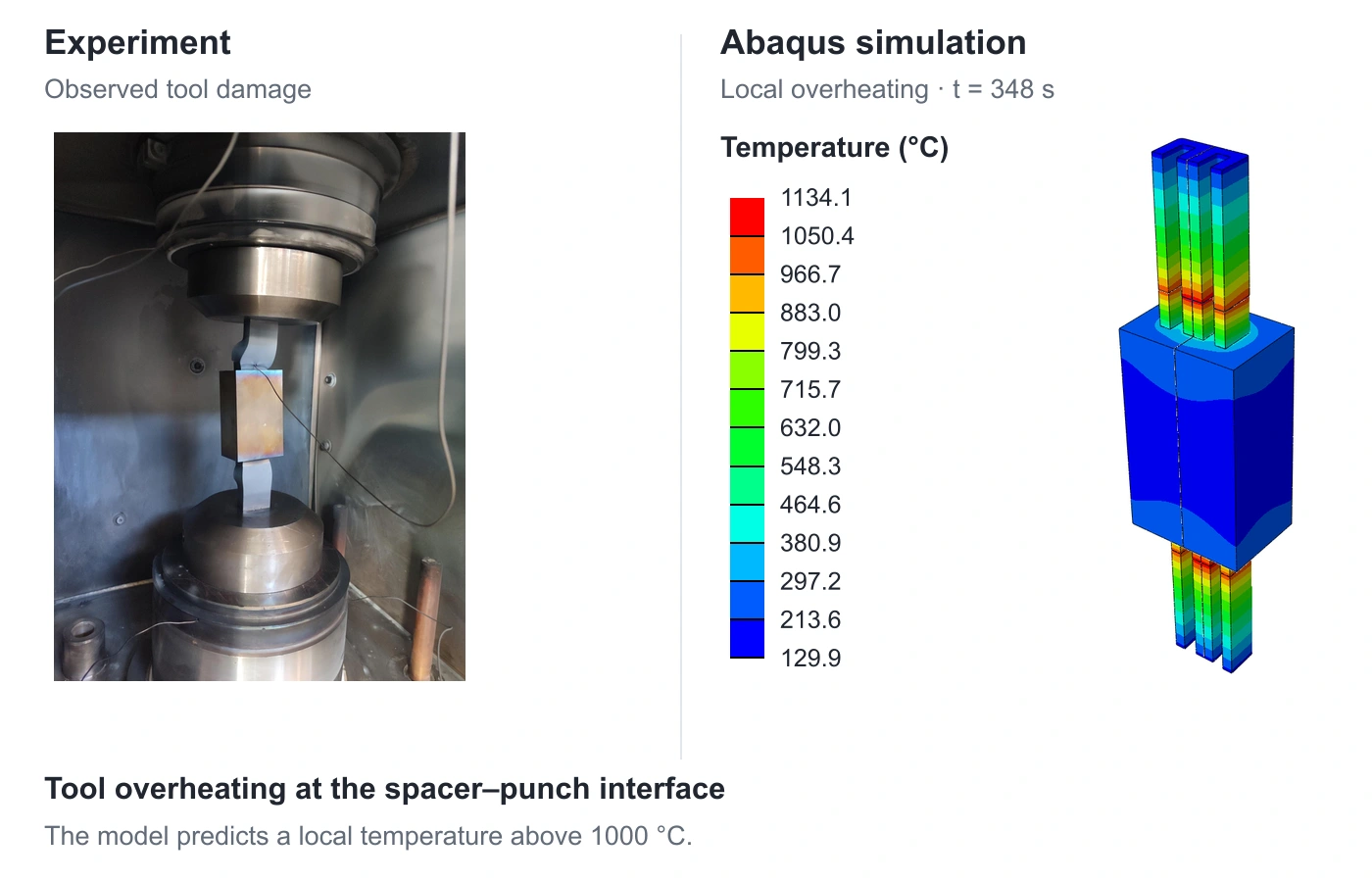
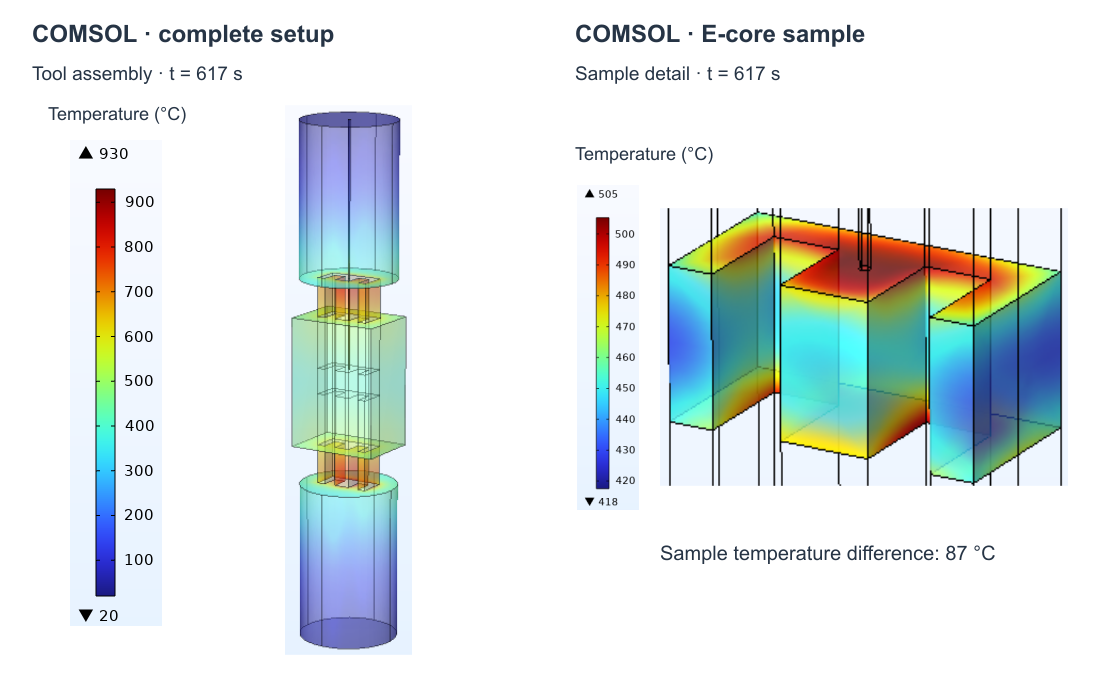
Investigating local overheating during sintering of E-core components. I guided and contributed to the team’s Abaqus and COMSOL Multiphysics study of electrical contacts and heat flow.

ResultLocated tool hot spots and evaluated spacer designs to reduce overheating.

  • COMSOL
  • Abaqus
  • Coupled physics
  • Tool design
Tool overheating · experiment & Abaqus
Observed tool damage alongside the modelled hot spot at the spacer–punch interface.
COMSOL setup & E-core sample
Complete setup and E-core temperature fields, with separate temperature scales.

03 / Experimental engineering

Perovskite solar cell recycling

Accurec Recycling · Research & development internship

My roleExperimental setup design & process investigation

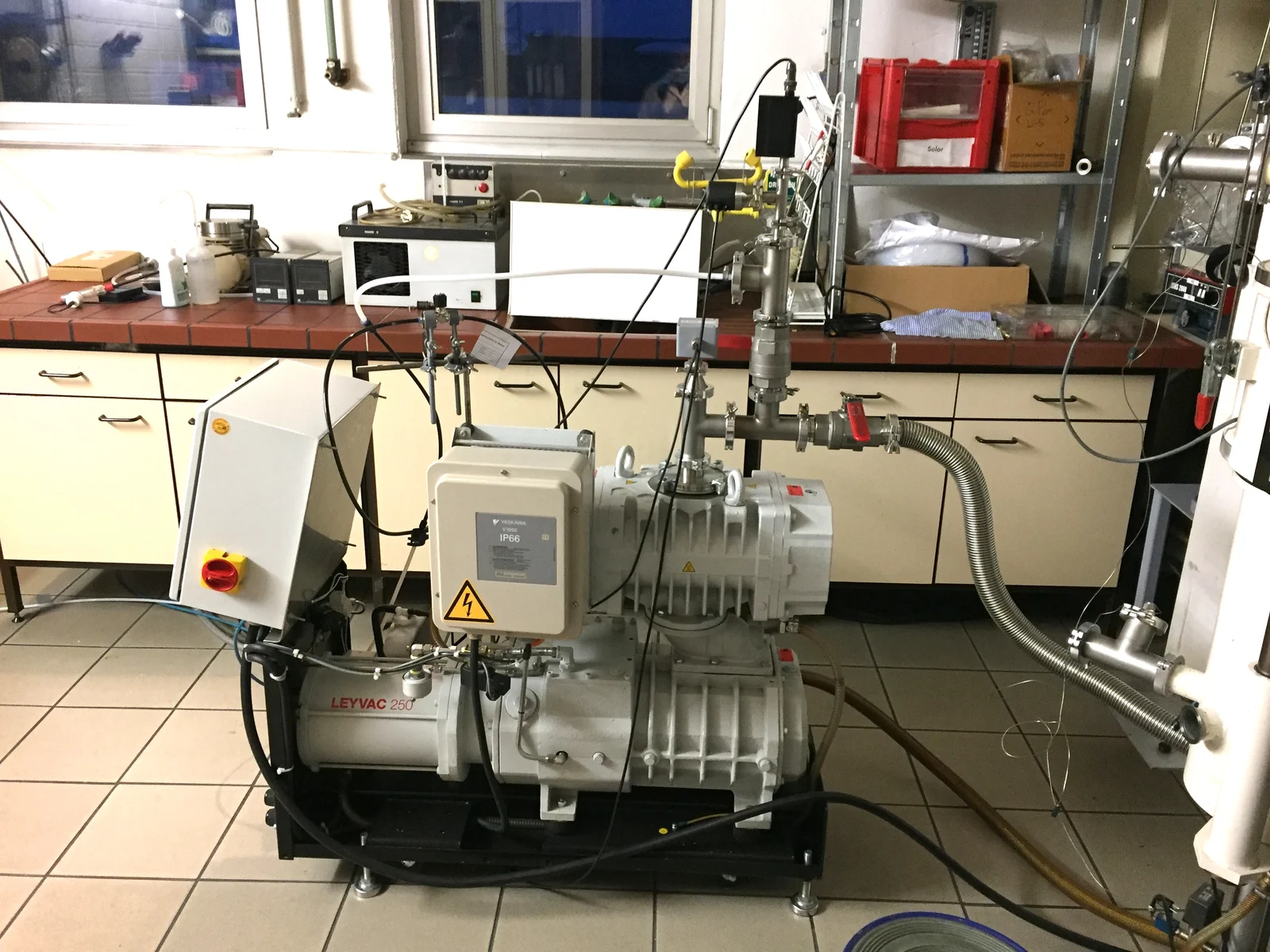
Removing thin-film layers from perovskite solar cells using microwave vacuum distillation (MVD). I built the vacuum and gas-handling setup and used FactSage thermodynamic calculations to select test conditions.

ResultObserved plasma formation and coating removal on selected samples. Elemental recovery remained to be quantified.

  • Vacuum systems
  • Experimental design
  • FactSage
  • Process safety
Vacuum & gas-handling system
Vacuum, nitrogen supply and pressure control for MVD experiments.
MVD experiment · 10-second recording
Plasma formation during a microwave vacuum distillation (MVD) experiment.
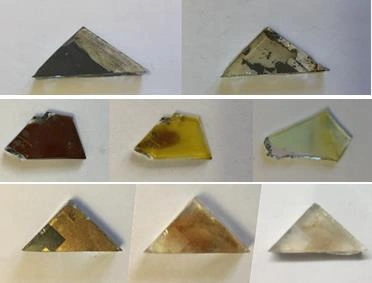
Coating removal · sample colour changes
Glass samples become lighter and more transparent as surface layers are removed during MVD tests.

04 / Experiment & simulation

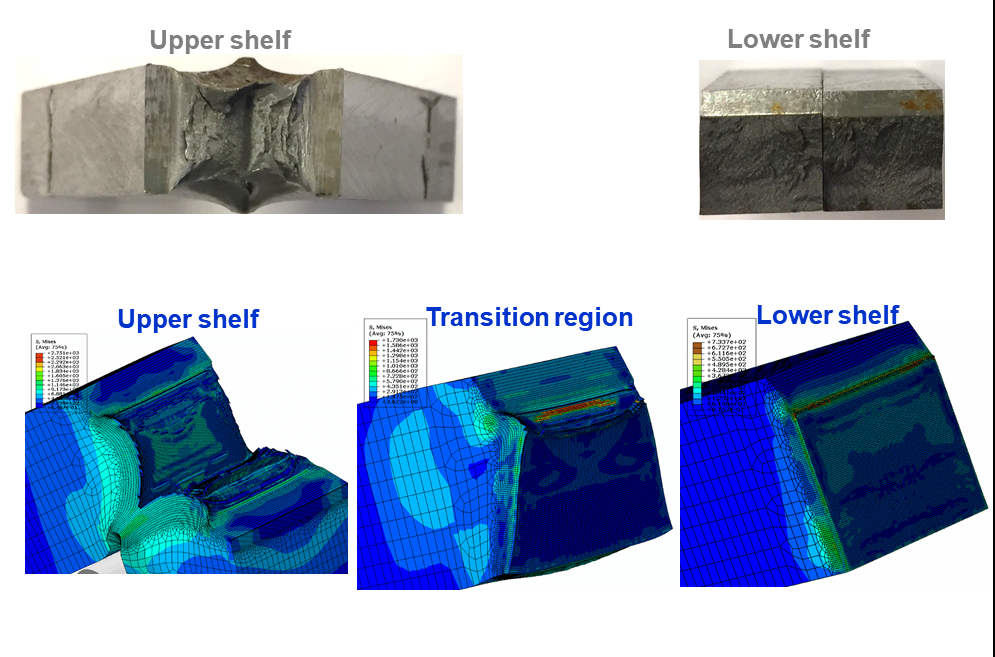
Predicting ductile & brittle fracture

RWTH Aachen · Master’s thesis · X70 pipeline steel

My roleExperimental and numerical investigation

Predicting temperature-dependent fracture in X70 pipeline steel. I combined Charpy impact tests with finite element models of ductile damage and brittle cleavage.

ResultReproduced key fracture features across ductile, transition and brittle regimes.
  • Fracture mechanics
  • Charpy testing
  • Finite element modelling
  • Model validation
Observed fracture ↔ simulated behaviour
Experiment above; simulation below. Ductile, transition and brittle fracture.

Get in touch

Have a materials challenge
in mind?

Let’s discuss materials research, process development or simulation.

Image detail